Replacing Zippers, Linings & Buttons: The Resurrection Guide
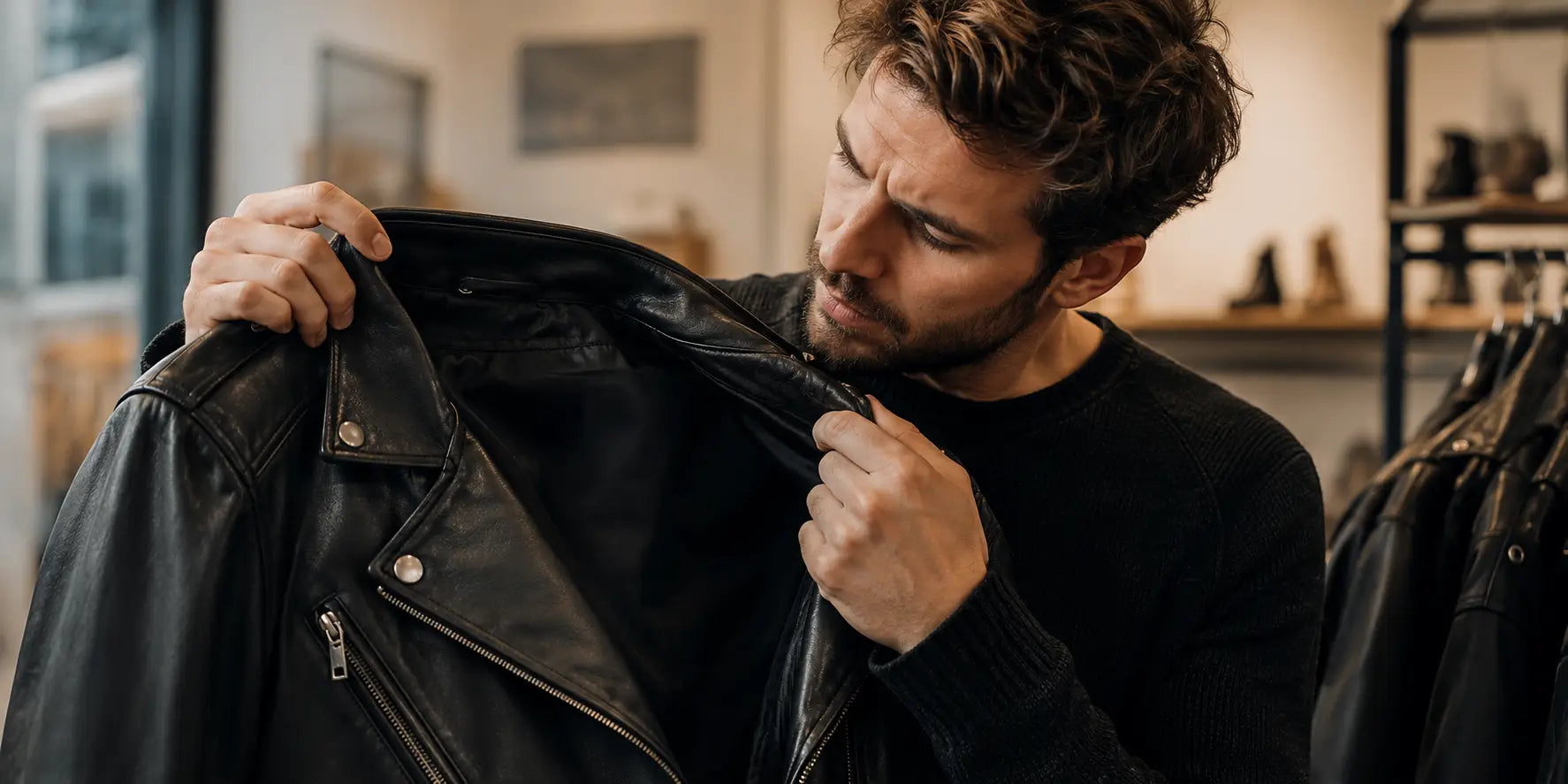
The leather is still beautiful. The zipper is jammed, the lining is shredded, or a snap has popped off for the third time. Don't replace the jacket replace the part. Real leather jackets are built to be repaired, and most of the components that fail can be swapped out for the cost of a few months of streaming. Here's the practical resurrection guide.

Quick Answer
Zippers, linings, snaps, and buttons on a real leather jacket are all replaceable usually by a leather-experienced tailor or shoe repair shop, and every major Canadian city has them. Expect a modest fee for a zipper replacement, a mid-range job for a full lining, and pocket change per snap or button. A total resurrection typically costs far less than buying a new jacket. DIY is realistic for snaps and buttons, but zippers and linings should usually go to a pro.
Why Real Leather Is Worth Repairing
The leather panels on a quality jacket are the longest-lasting part. The components zippers, linings, snaps are the ones that take daily mechanical wear and fail first. That's normal. A 10-year-old leather jacket will often be on its second zipper and second lining while the leather itself is still beautifully aged.
This is one of the major advantages real leather has over faux: the jacket can be resurrected piece by piece. Faux leather can't be repaired the same way because the surface coating fails before any of the hardware does.
Replacing Zippers

The most common failure point. A jammed, broken, or worn-out zipper makes a perfect jacket unwearable especially frustrating in January, when you actually need it to close. The fix is straightforward for a tailor:
- Cost: a modest fee for the front zipper; sleeve or pocket zippers cost less.
- Turnaround: usually 3 to 7 days at a leather-experienced tailor.
- Quality choice: ask for a YKK zipper in matching size and colour. It's the industry standard for a reason.
- DIY: not recommended unless you sew leather regularly. The puncture pattern of an old zipper has to be matched closely or the jacket can pucker permanently.
If your zipper is just stuck rather than broken, a small amount of zipper lubricant or graphite from a pencil tip can sometimes free it without replacement.
Replacing Linings

Linings wear through under the arms, at the back, and along the cuffs long before the leather does. Once the lining shreds or the seams blow out, the jacket is uncomfortable to wear and can pull the outer leather out of shape.
- Cost: a mid-range repair depending on the size of the jacket and the lining material chosen. Viscose, polyester, and satin are the most common replacements.
- Turnaround: 1 to 3 weeks.
- Quality choice: upgrade if you want a viscose-acetate blend feels noticeably more premium than basic polyester and adds little to the cost. A quilted lining upgrade is worth considering for extra Canadian-winter warmth.
- DIY: only if you have intermediate sewing skills. The lining has to match the original cut closely or the jacket bunches when worn.
This is also the right moment to ask the tailor to repair any small inner pockets or label tears.
Replacing Buttons and Snaps

The simplest repair on the list. Snaps pop off the underside of the leather; buttons can pull through over time. Both are easy fixes:
- Cost: pocket change per snap or button at a tailor or shoe repair shop. Many will fix one or two on the spot.
- Turnaround: immediate to 2 days.
- DIY: realistic. A basic snap-replacement kit from a craft store and a small hammer can handle most snap repairs at home. Buttons just need a needle and thread that match the originals.
- Quality choice: match the metal finish to the jacket's other hardware (silver, antique brass, gunmetal) so the repair blends in.
DIY vs. Professional Cost Breakdown
| Repair | Relative Cost | DIY Realistic? |
|---|---|---|
| Front zipper | Modest | No (unless experienced) |
| Sleeve / pocket zipper | Low | No |
| Full lining | Mid-range | No (intermediate sewing) |
| Snap replacement | Pocket change each | Yes |
| Button replacement | Pocket change each | Yes |
| Full resurrection (zipper + lining + snaps) | A fraction of a new jacket | Mixed |
For perspective: a full resurrection costs less than buying any decent new leather jacket. Our cost-per-wear guide covers why repair almost always wins on real leather.
When the Jacket Isn't Worth Repairing
- The leather itself is peeling or cracking (often a sign it was coated genuine leather, not full-grain). See our peeling jacket guide for what's salvageable.
- Multiple panels are torn or the leather has lost most of its colour across the whole jacket.
- The jacket was inexpensive to begin with and the cost of repairs exceeds replacing it with a real leather option.
- The fit was wrong from day one repair won't fix that.
In those cases, the smarter spend is a real leather replacement. A repaired jacket should still be a jacket you genuinely enjoy wearing.
Where to Go From Here
If your jacket is worth resurrecting, find a leather-experienced tailor not a general dry cleaner and ask for the repair list with quotes upfront. If it's beyond saving, browse men's leather jackets or women's leather jackets for real lambskin and cowhide options that will repair beautifully when their day comes free shipping across Canada.
Final Thoughts
A real leather jacket isn't disposable. The components fail, but the jacket doesn't have to. A repair bill on a piece you love is almost always smarter than starting over. Resurrection is the quietly underrated superpower of real leather.
Frequently Asked Questions
How much does it cost to replace a zipper on a leather jacket?
Can a tailor really replace the lining of a leather jacket?
Should I take my leather jacket to a regular tailor or a specialist?
Is repairing a leather jacket worth it?
Can I replace snaps and buttons myself?
How long do replacement zippers and linings last?